Mounting Brackets Manufacturer

Custom Mounting Brackets Made to Fit Your Assembly

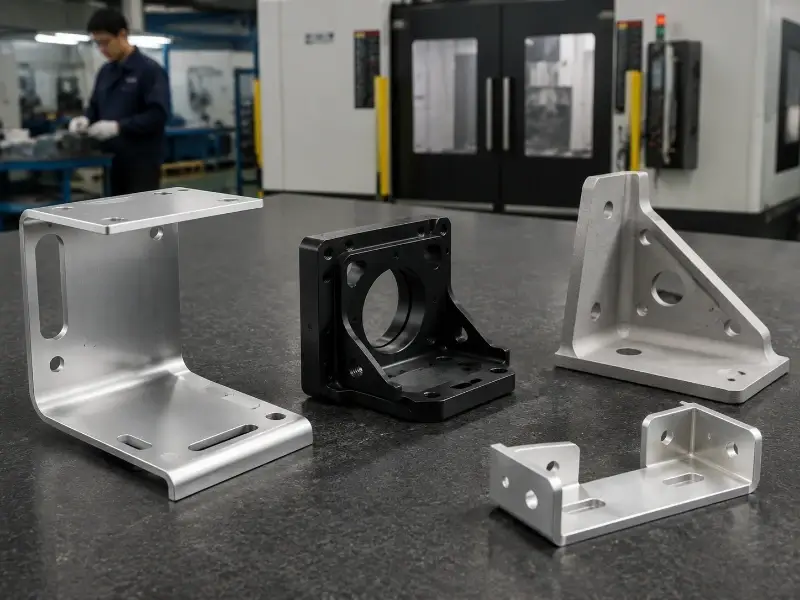
TZR manufactures build-to-print mounting brackets for industrial machinery, factory automation, electrical equipment, electronics, and commercial products.

We support prototypes, low-volume orders, bridge production, and repeat manufacturing.

Custom Mounting Brackets Made to Fit Your Assembly
Founded in 2013
118,000 sq. ft. Facility
100+ Technical and
Quality Personnel
Prototype to Repeat
Production

A Small Bracket Can Stop a Large Assembly

Mounting brackets often control the position of motors, sensors, panels, enclosures, cables, and other components.

A Small Bracket Can Stop a Large Assembly

Misaligned Holes

Incorrect hole spacing can stop the bracket from fitting mating components.

Unstable Bend Angles

A small forming error can change the final mounting position.

Welding Distortion

Heat can affect flatness, angles, and critical hole locations.

Coating Interference

Excess coating can affect threads, press-fit holes, and grounding points.

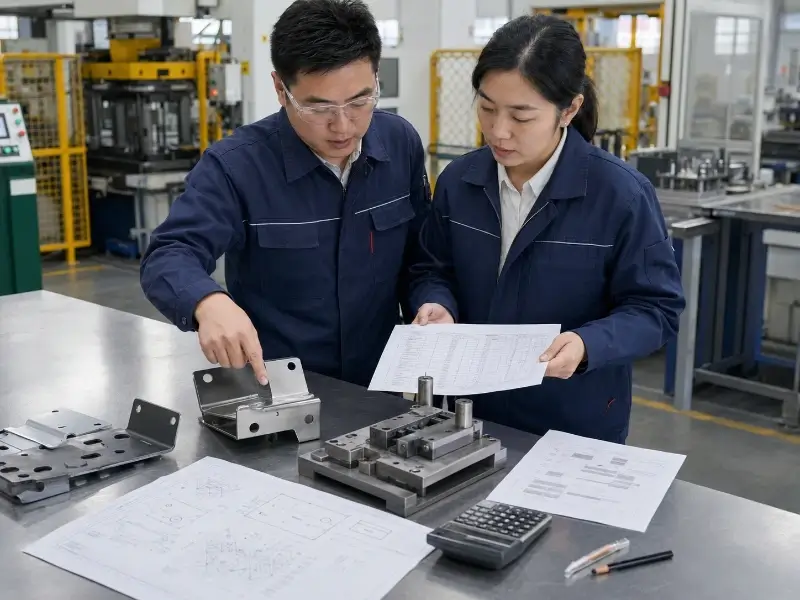
What TZR Reviews Before Production

Datums and Mating Dimensions
Bends, Holes, and Slots
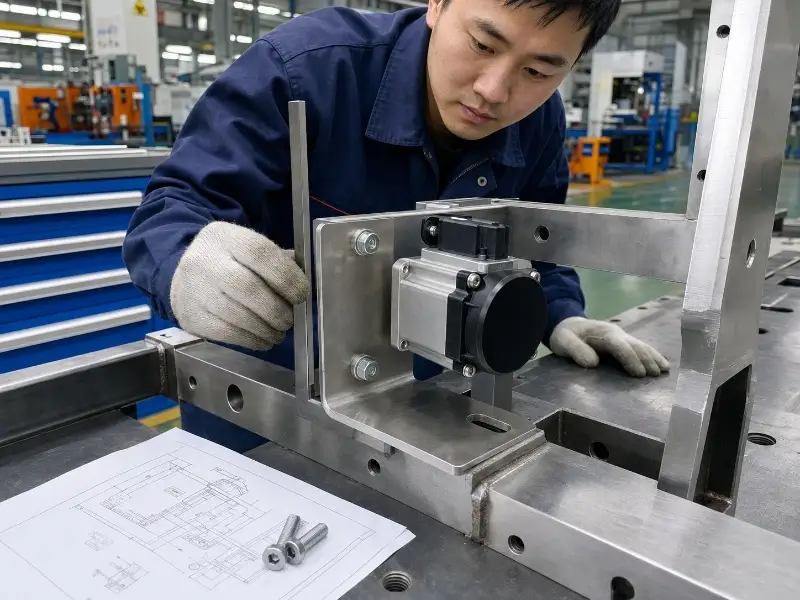
Fasteners and Clearances
Load Direction and Installation

Early review helps reduce assembly problems, drawing revisions, and unnecessary production costs.

One Mounting Bracket Design Does Not Fit Every Assembly

The best construction depends on the load, available space, mounting method, production quantity, and expected design life.

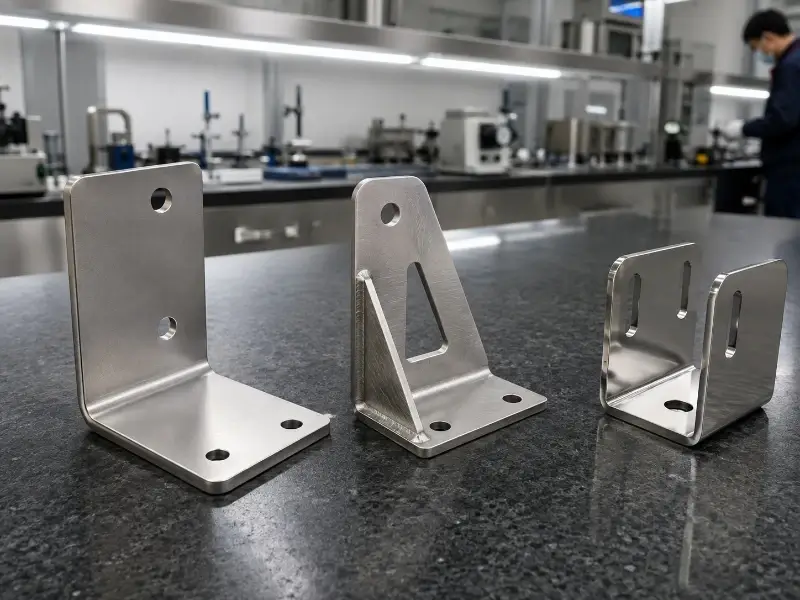
Formed Sheet Metal Brackets

Formed Sheet Metal Brackets

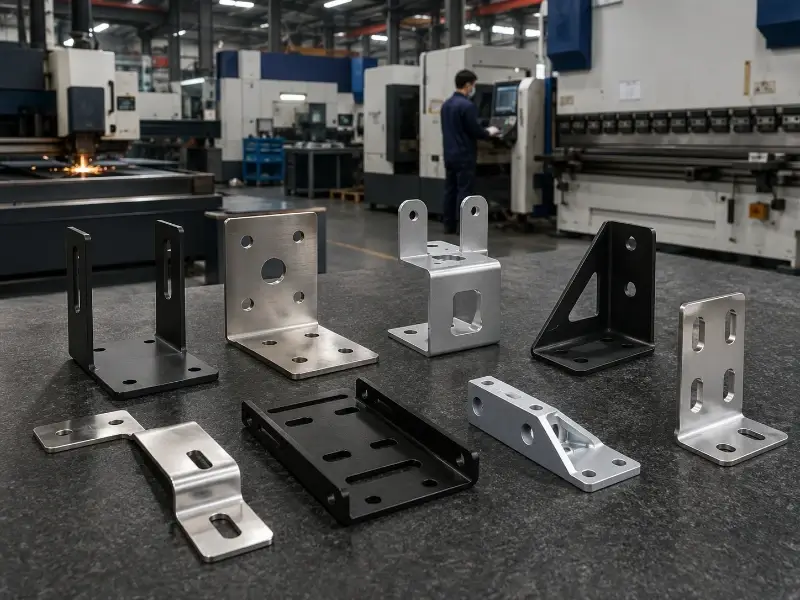
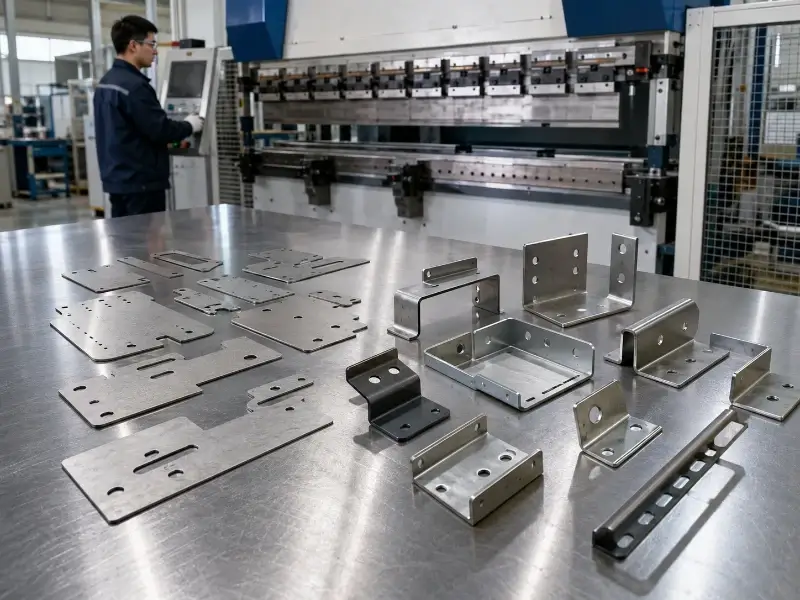
Laser cutting and CNC bending support L, U, Z, angle, mounting plate, and slotted bracket designs.

Flexible for Prototypes and Low-to-Medium Volumes
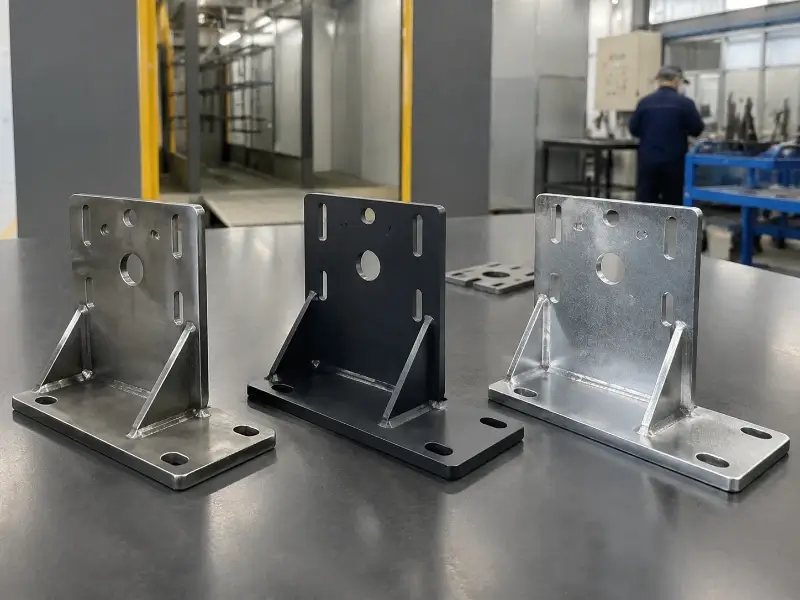
Reinforced and Welded Brackets

Reinforced and Welded Brackets

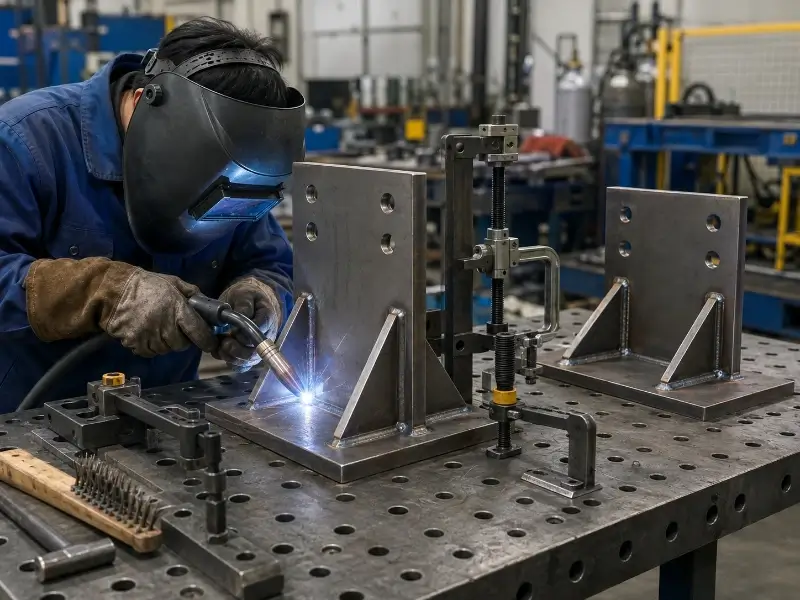
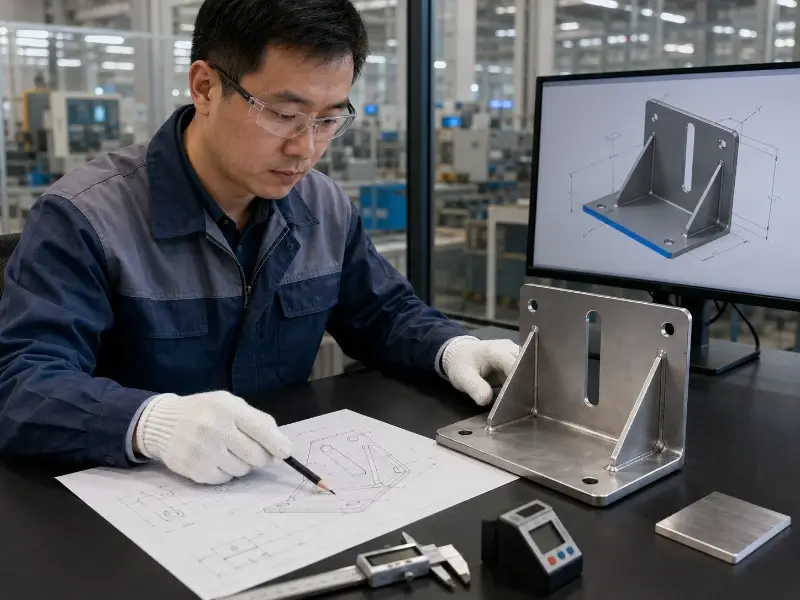
Gussets, ribs, welded plates, and formed returns can improve stiffness without increasing the thickness of the entire bracket.

For Higher Loads and Vibration
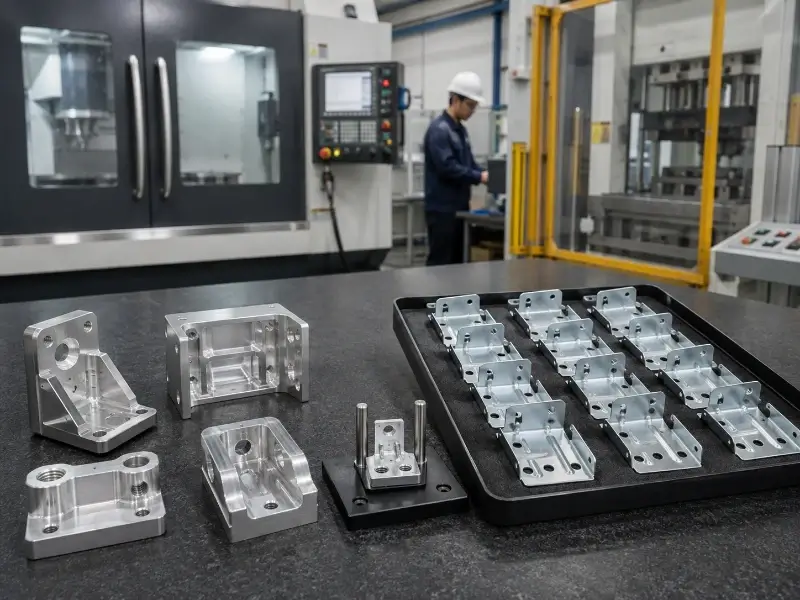
Machined and Stamped Brackets

Machined and Stamped Brackets

CNC machining adds precision features. Stamping can reduce unit cost when production demand is stable.

Precision Features or Stable Higher Volumes

TZR compares geometry, tolerances, quantity, tooling cost, and future design changes before recommending a process.

Let the Working Environment Guide Material Selection

Material selection affects strength, weight, corrosion resistance, appearance, and production cost.

Carbon Steel

Carbon Steel

A practical balance of strength and cost for many indoor industrial applications.


Common finishes: Powder Coating, Zinc Plating, Painting

Stainless Steel

Stainless Steel

Suitable for wet, sanitary, outdoor, and corrosion-sensitive environments.


Common finishes: Passivation, Brushing, Polishing

Aluminum

Aluminum

Reduces bracket weight and provides good natural corrosion resistance.


Common finishes: Anodizing, Powder Coating, Bead Blasting

Define Finish Requirements Early

Powder Coating
Zinc Plating
Passivation
Anodizing
Brushing
Bead Blasting

Identify masked areas, grounding points, cosmetic surfaces, protected threads, and holes affected by coating thickness.

Avoid Production Tooling Until the Volume Supports It

Early-stage projects often change after prototype testing, so the production route should match both current demand and future volume.

01
02
03
Prototype and Low Volume

Prototype and Low Volume

Laser cutting, turret punching, and bending avoid dedicated stamping dies and support design changes.

Review Annual Demand

Review Annual Demand

TZR compares annual usage, part geometry, design stability, tooling cost, and target unit price.

Prepare Repeat Production

Prepare Repeat Production

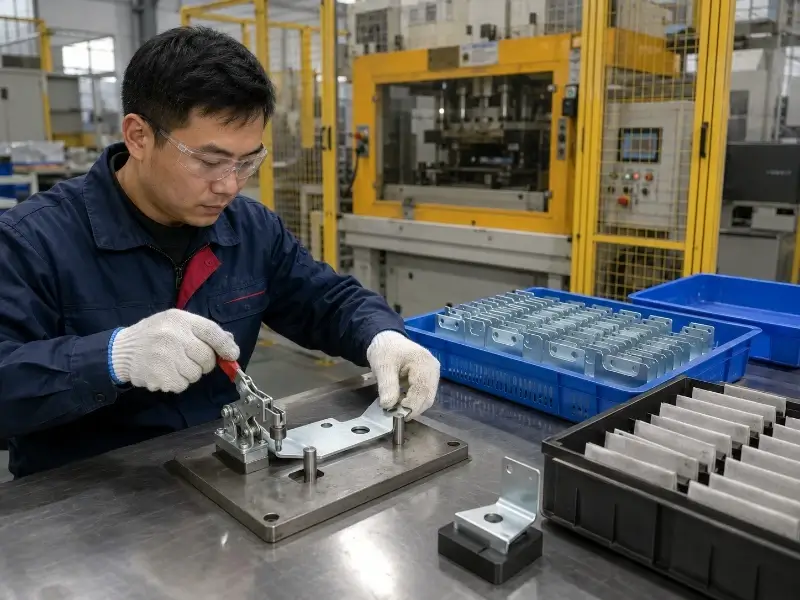
Stamping tools, welding fixtures, inspection gauges, and batch packaging can improve repeat production.

Tooling Decision Factors

Annual Usage
Part Geometry
Design Stability
Tooling Cost
Target Unit Price

After approval, the confirmed drawing and sample become the reference for future orders.

Lock Down the Features That Control Fit and Cost

A production-ready bracket needs clear control over the features that affect assembly and performance.

Lock Down the Features That Control Fit and Cost

Load and Stiffness

Gussets, ribs, formed edges, shorter unsupported sections, and better fastener placement can increase stiffness with less weight.

Holes and Bends

Critical hole patterns need clear datums. Hole-to-bend spacing and bend radius must match the material and process.

Tolerances and Appearance

Apply tight tolerances only to functional features and identify cosmetic surfaces directly on the drawing.

Mark grain direction, weld appearance, coating restrictions, and scratch-sensitive areas before production.

Keep Repeat Orders Consistent With the Approved Part

Quality control begins with the correct drawing, revision, material, dimensions, hardware, finish, and inspection requirements.
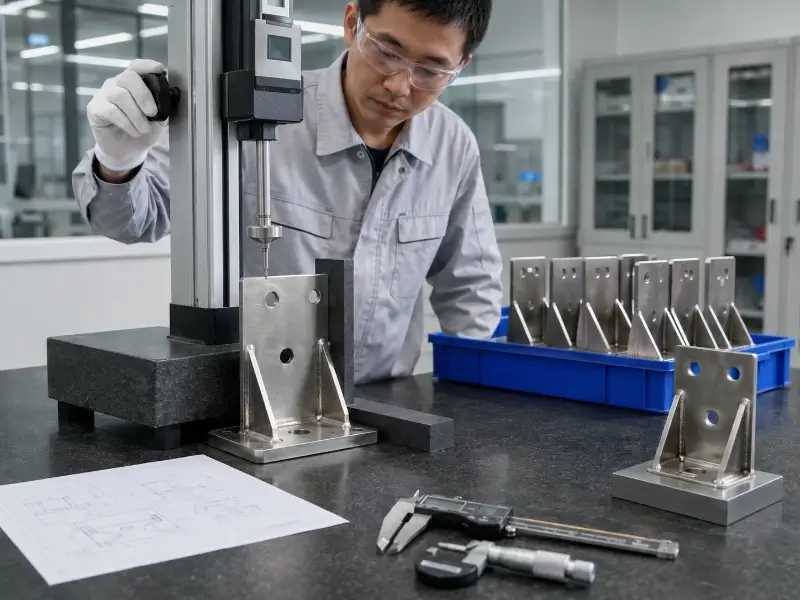
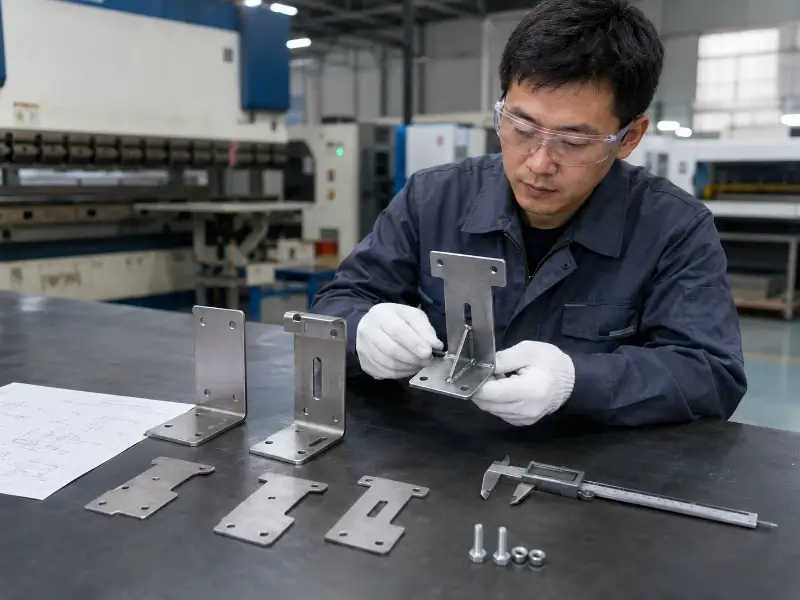
Quality Control Inspection

Inspection Focus

Hole Position and Spacing
Bend Angle and Overall Size
Hardware, Threads, and Welds
Surface Finish and Assembly Fit
1

Drawing Review

Confirm the revision and acceptance requirements.

2

First Article Inspection

Check critical features before releasing the full batch.

3

In-Process Monitoring

Track selected dimensions during production.

4

Final Inspection

Compare completed parts with approved requirements before packaging.

Available When Requested
Material Certificates
Dimensional Reports
First Article Records
Batch Traceability

Get in Touch with Us

Drag & Drop Files, Choose Files to Upload