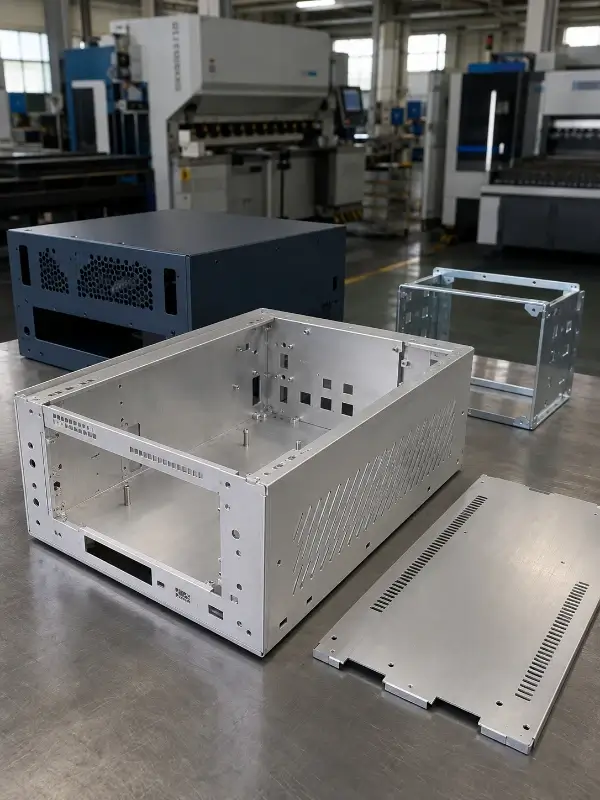
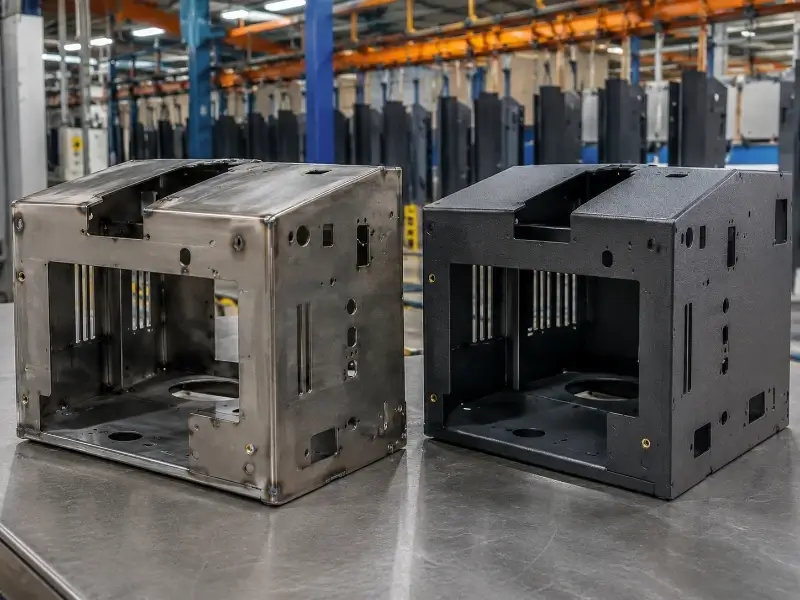
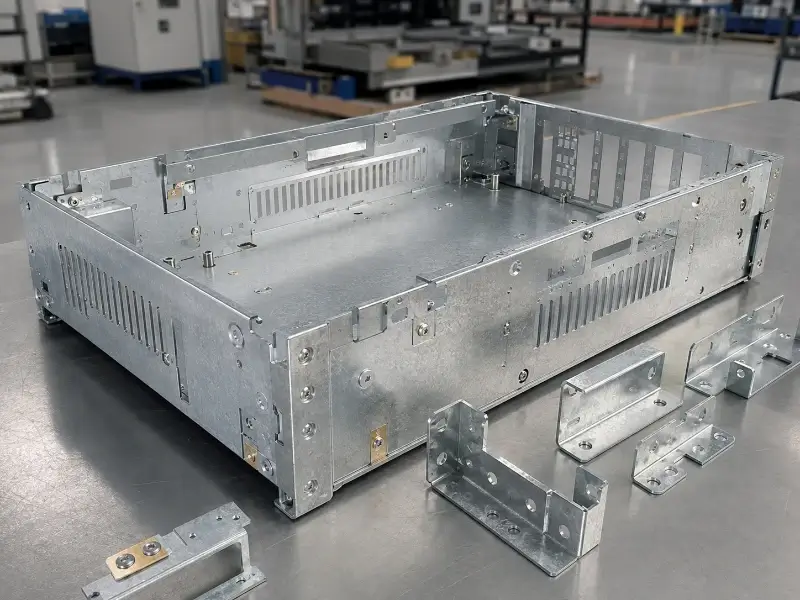
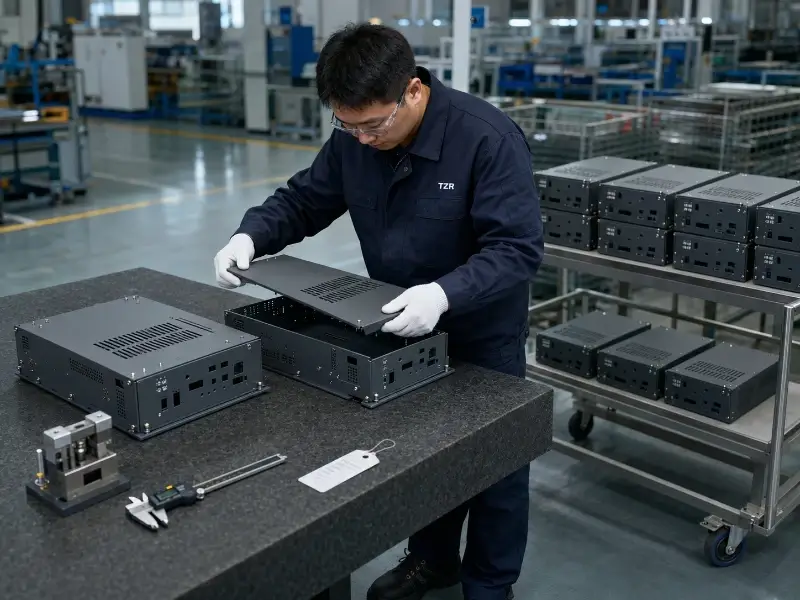
TZR manufactures build-to-print metal chassis for electronics, industrial equipment, automation systems, power products, and other OEM applications.
From laser cutting and bending to finishing, hardware installation, inspection, and assembly, your chassis can be managed through one manufacturing source.
A metal chassis must keep boards, power supplies, fans, connectors, covers, and mating parts in the correct relationship. Small errors can block ports, create uneven gaps, or cause assembly rework.
Send the assembly model or component layout when possible. Extra context helps reveal fit risks before material is cut.
Material selection affects weight, stiffness, corrosion resistance, appearance, and cost.
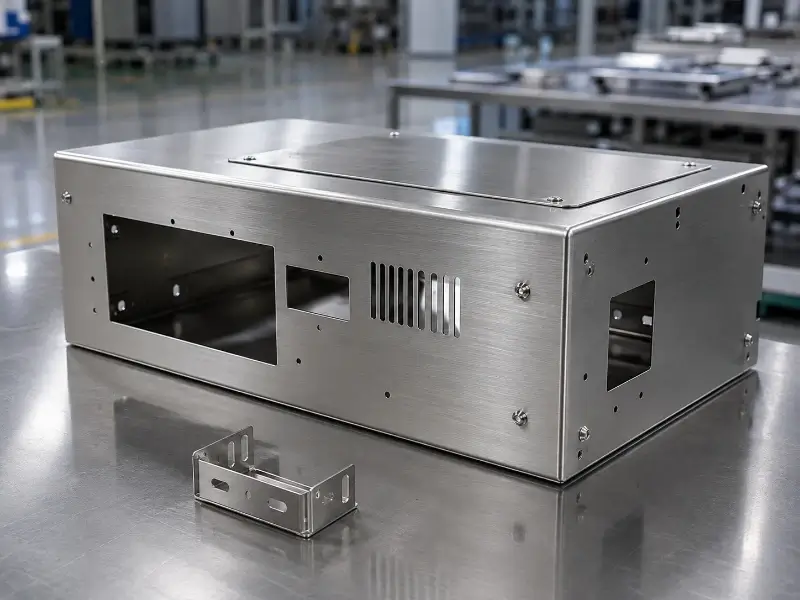
TZR works with aluminum, stainless steel, carbon steel, and galvanized steel.
Confirming these details before production helps prevent coating-related assembly problems.
A custom chassis moves through several linked operations. TZR manages the connected production stages through one workflow, making dimensional issues and surface damage easier to control.
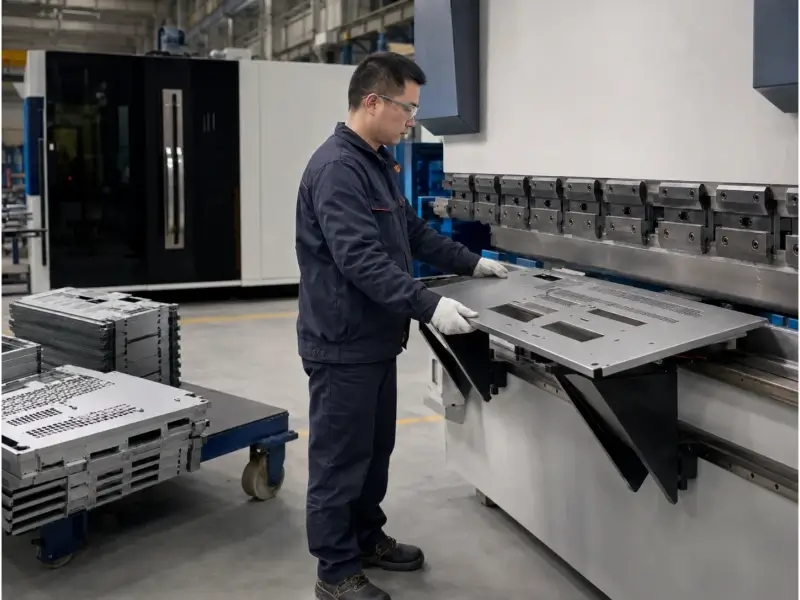
Laser cutting or turret punching creates profiles and openings. CNC bending forms panels, flanges, brackets, and chassis bodies.
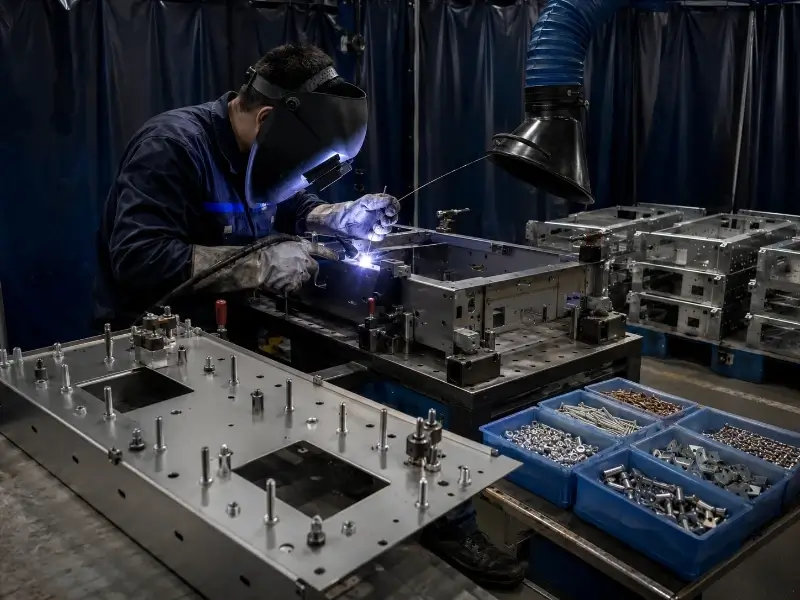
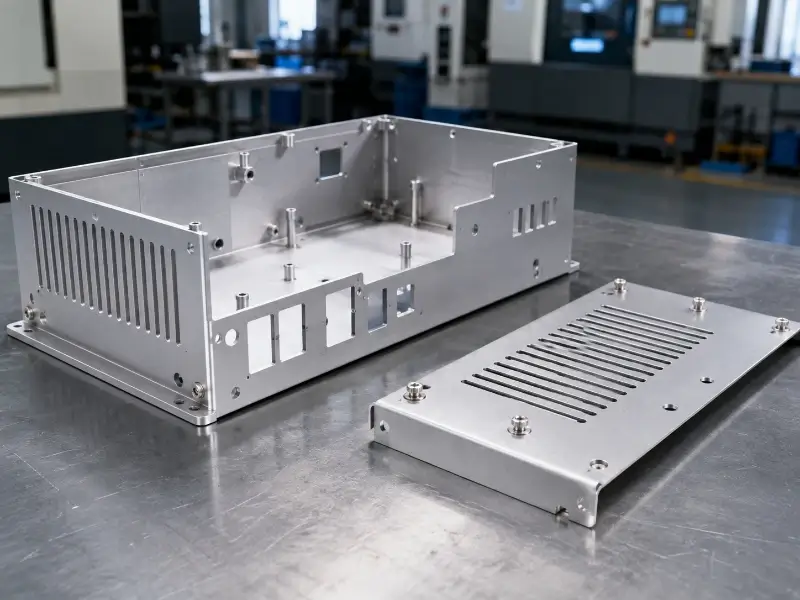
The welding process is selected for the joint and distortion risk. PEM hardware, rivets, hinges, and studs are installed at the required stage.
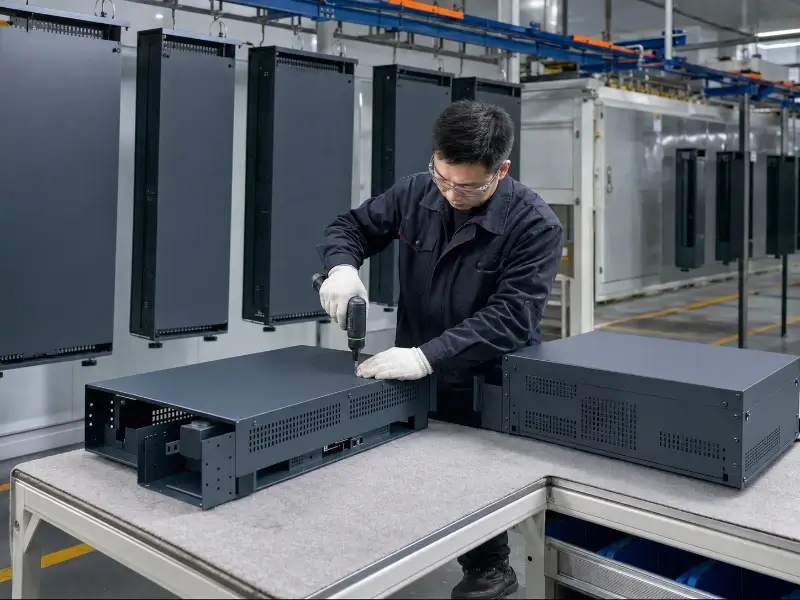
Parts are deburred, surface treated, inspected, and mechanically assembled. Machined mounting parts can be included when required.
One team supports technical questions, production updates, inspection scope, packaging, and shipment planning.
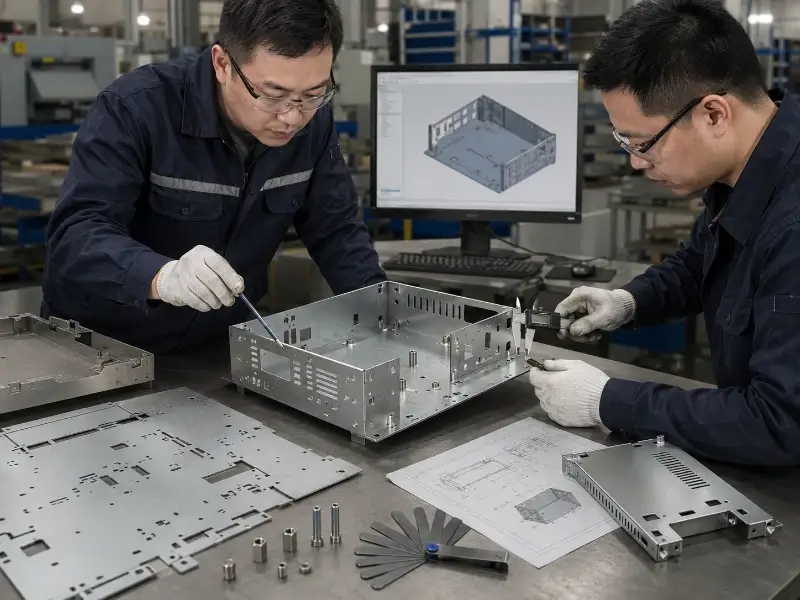
TZR reviews the design before production to reduce quotation changes, trial-and-error, and avoidable assembly problems.
Material thickness, bend radii, short flanges, and bend reliefs
Hole-to-bend distance, PEM access, and fastener space
Joint access, tool paths, and distortion risks
Control the dimensions that decide final fit
Coating buildup, cosmetic zones, and protected contacts
Drawing numbers, revision levels, approved samples, and project requirements
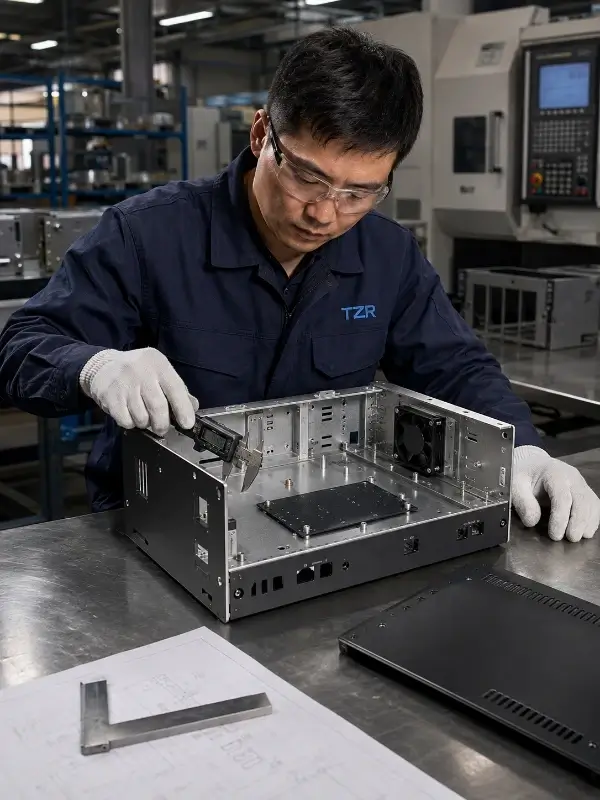
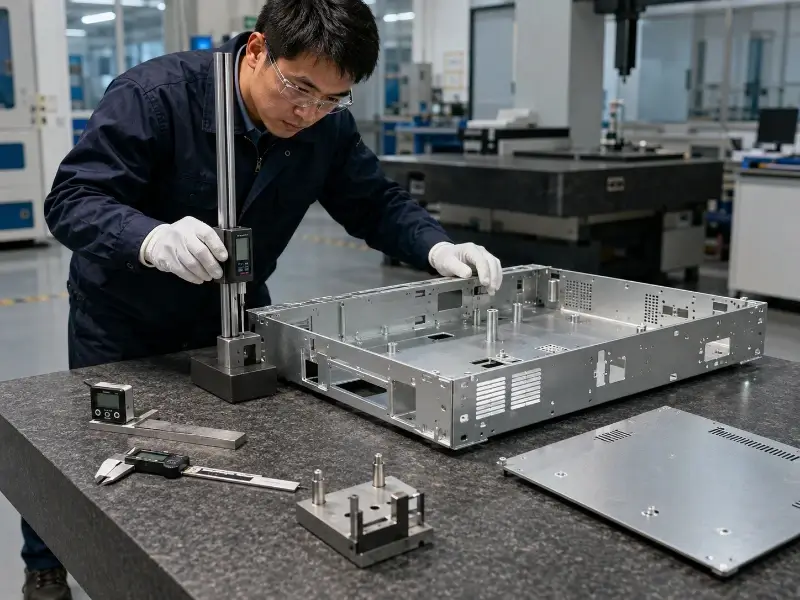
Not every dimension carries the same risk. TZR focuses inspection on the features that control fit, function, and appearance.
Overall size, bend angles, and panel flatness
Hole patterns, mounting locations, and mating dimensions
Threads, inserted hardware, and assembly access
Frame alignment and distortion
Coating, color, texture, and cosmetic surfaces
Dimensional reports and required certificates can be agreed during the RFQ stage.
Use prototype and low-volume builds to verify assembly, finish, and packaging before repeat production.
Confirm fit, access, airflow, and finish
Collect assembly and packaging feedback
Lock the drawing, sample, finish, and hardware
Use the approved requirements for future orders
Share prototype quantity, annual usage, schedule, and forecast.
 English
  Spanish
  German
  Russian
  Italian
  French